How Solar Tracking Can Help Reduce Land Use Conflicts in Utility-Scale PV
Nov 14, 2025
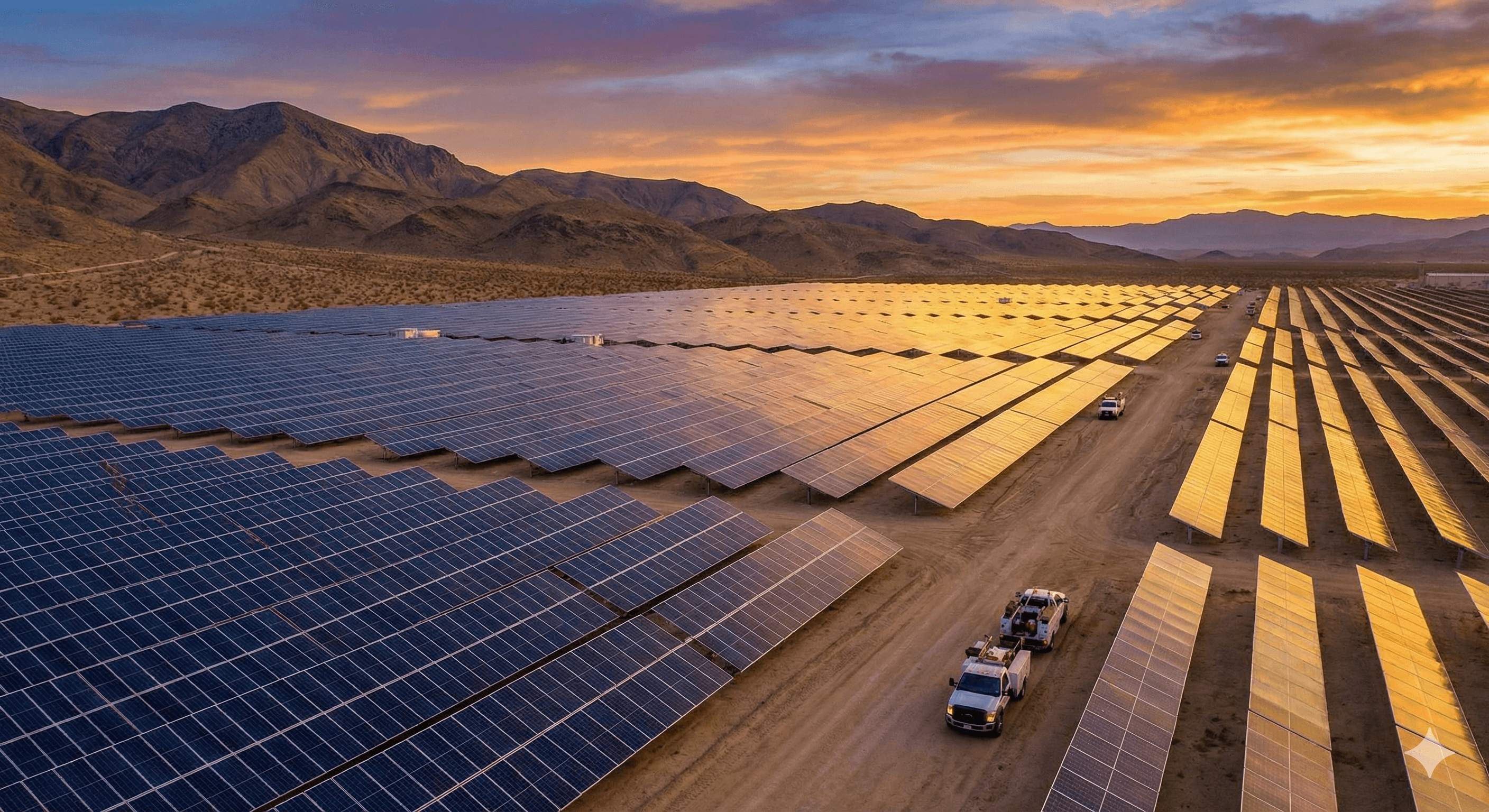
How Solar Tracking Can Help Reduce Land Use Conflicts in Utility-Scale PV
As utility-scale photovoltaic projects continue to expand across Europe and other global markets, land availability is becoming one of the most sensitive challenges facing the solar industry.
While solar energy is widely supported as a clean and sustainable source of power, large PV farms increasingly intersect with:
agricultural land
protected landscapes
local community concerns
complex permitting processes
In this context, how solar farms are designed matters more than ever.
Land Use Is Now a Strategic Constraint
In many regions, the limiting factor for new PV projects is no longer grid access or module availability, but land acceptance.
Developers must navigate:
zoning restrictions
visual impact assessments
biodiversity requirements
competing land uses
As projects scale up, even small design inefficiencies can significantly increase the required footprint of a solar farm — intensifying land-use conflicts and delaying approvals.
Why Energy Density Matters More Than Ever
Energy density — the amount of electricity generated per hectare — is becoming a key metric in project development.
Higher energy density allows developers to:
reduce total land area
preserve buffer zones and ecological corridors
adapt layouts to irregular or constrained plots
improve acceptance among local stakeholders
Solar tracking plays a crucial role in this equation, as it directly influences how effectively a given area of land is used throughout the year.
Design Choices That Influence Permitting Outcomes
Beyond pure energy production, tracker design can affect permitting in less obvious ways.
For example:
uniform row behavior simplifies environmental modeling
predictable mechanical motion supports visual impact assessments
adaptive positioning can reduce shading on neighboring land
flexible layouts allow better integration with terrain features
In practice, these factors can make the difference between a project that fits regulatory frameworks — and one that requires costly redesigns.
The Shift Toward Smarter Land Integration
As solar becomes a long-term element of regional planning, PV farms are increasingly expected to coexist with:
agriculture (agrivoltaics)
wildlife habitats
local infrastructure
community development goals
This shift requires tracking systems that support precision, adaptability, and long-term stability, rather than rigid, one-dimensional optimization strategies.
A Broader View of Solar Infrastructure
Utility-scale PV is no longer just about producing electricity at the lowest possible cost.
It is about building infrastructure that is:
socially acceptable
environmentally compatible
economically sustainable
resilient over decades
Solar tracking systems, often seen as purely technical components, play a much larger role in achieving these goals than is commonly acknowledged.