The Future of Utility-Scale Solar: Why Local AI and Linear Actuators Are the New Standard for 2026
Feb 10, 2026
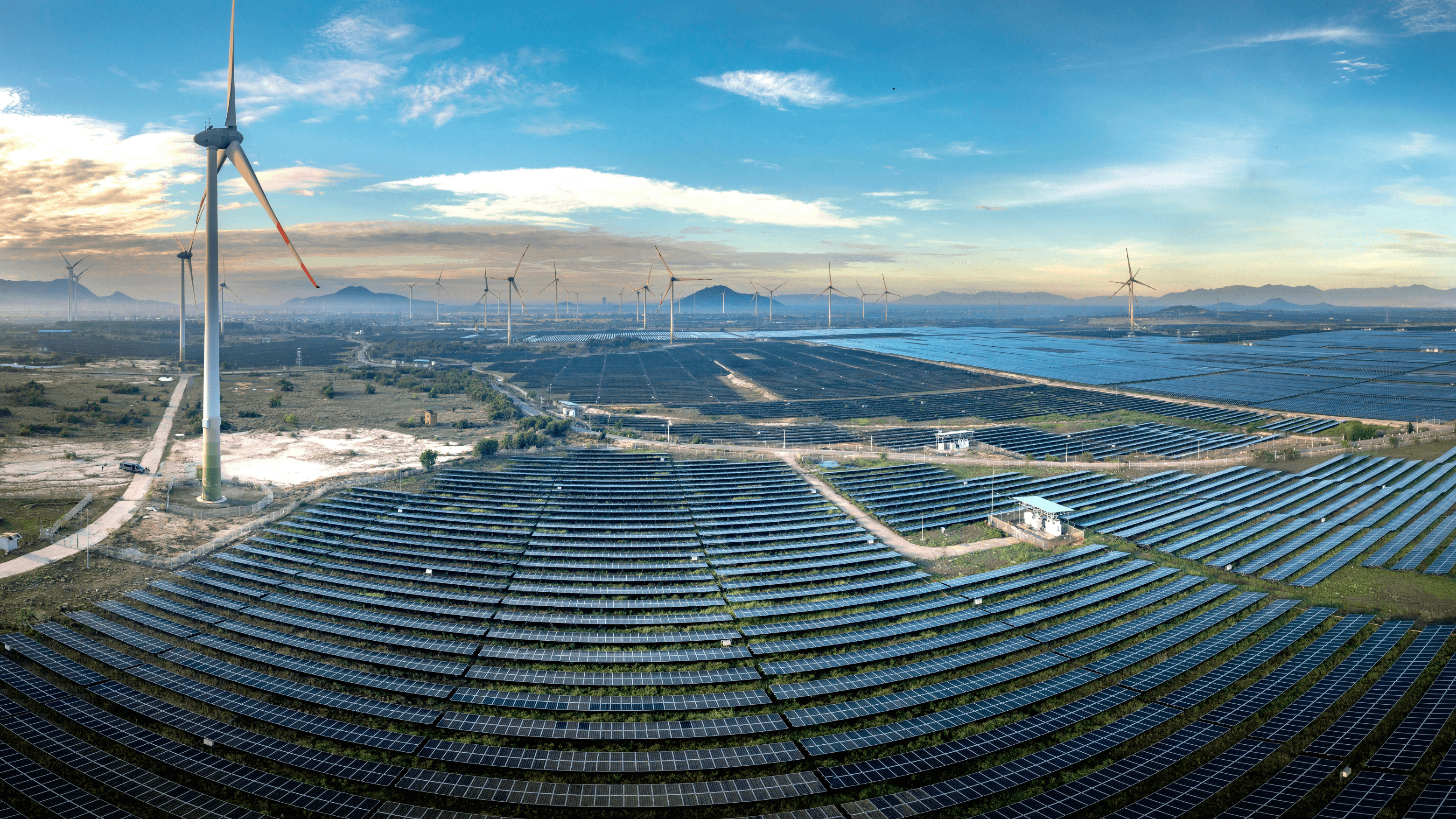
The Future of Utility-Scale Solar: Why Local AI and Linear Actuators Are the New Standard for 2026
The solar industry is approaching a critical inflection point. As we look toward 2026, the demands on utility-scale photovoltaic (PV) farms are changing. It is no longer enough to simply install capacity; the focus has shifted to maximizing energy yield, ensuring grid stability, and drastically reducing operational risks.
For years, the industry has relied on incremental improvements to traditional centralized tracking systems. But with grid congestion rising and financial performance expectations tightening, "good enough" is no longer acceptable.
At Soltracker AI, we believe the answer lies in two major technological leaps: Local Artificial Intelligence and Multi-Point Linear Actuators. Here is why these technologies are set to replace the old standard of motor-gearbox trackers.
1. Moving Beyond Centralized Control: The Power of Local AI
Most traditional solar trackers operate on a centralized model. A single algorithm dictates the movement of thousands of panels based on astronomical data. While this works for "perfect" days, it fails to account for the messy reality of the real world: uneven cloud cover, terrain undulations, and local shading.
Soltracker AI changes the paradigm by embedding local AI models into every single tracker row.
How Local AI Maximizes Yield
Instead of following a rigid, global command, each row "thinks" for itself.
Micro-Climate Adaptation: If a cloud shades one section of the farm but not another, Soltracker AI adjusts individual rows to capture diffuse light, optimizing for the specific conditions of that exact square meter.
Real-Time Backtracking: The system learns and responds in real-time to avoid row-to-row shading during early morning and late afternoon hours, significantly boosting yield during these critical shoulder periods.
2. Eliminating the "Single Point of Failure"
The Achilles' heel of traditional solar tracking has always been the mechanical drive system. Centralized motor-gearbox configurations are prone to wear, tear, and catastrophic failure in high winds. When a central drive fails, it often takes down a massive section of the farm, leading to significant revenue loss.
Soltracker replaces this vulnerability with a breakthrough in mechanical engineering: Multi-Point Linear Actuator Architecture.
Why Linear Actuators Are Superior?
No Motor-Gearbox Vulnerability: By removing the complex system of drive shafts and gears, we eliminate the most common cause of mechanical downtime.
Stability in High Winds: Our multi-point locking system provides superior structural rigidity. This allows the panels to hold their position securely, even in extreme weather events that would damage traditional torque-tube systems.
Near-Vertical Rotation: Unlike standard trackers with limited range, our linear actuators allow for full rotation to near-vertical positions. This is a game-changer for natural cleaning (shedding dust and snow) and protecting panels from hail damage.
3. Predictive Maintenance: Fixing Problems Before They Happen
In the utility-scale sector, downtime is the enemy of ROI. Reactive maintenance—fixing things after they break—is costly and inefficient.
Because Soltracker AI is built on a digital-first foundation, it unlocks true predictive maintenance analytics. Our system continuously monitors the health of every actuator and controller. It can detect minute anomalies in power consumption or movement patterns that precede a failure.
This means your O&M teams receive alerts before a breakdown occurs, allowing for scheduled, low-cost interventions rather than emergency repairs.
4. Retrofitting: Breathing New Intelligence into Existing Assets
The transition to AI doesn't always require building a new farm from scratch. One of the unique advantages of Soltracker’s ecosystem is our Controller Hardware Upgrade packages.
We open a massive market for existing deployed assets. By retrofitting older tracker installations with our proprietary control units and AI software, operators can modernize their current fleets, unlocking next-generation yield improvements without the capital expense of a full repowering project.
Conclusion: Prepare for the 2026 Launch
The solar farms of the future will be autonomous, self-healing, and hyper-efficient. As we prepare for our official launch in Q1 2026, Soltracker AI is inviting forward-thinking developers and asset managers to see what is possible when you combine breakthrough mechanics with distributed intelligence.
Are you ready to maximize your energy yield and minimize downtime?
Get in touch today to request early access or a tailored quote.